• PI Store

    Buy Online Now

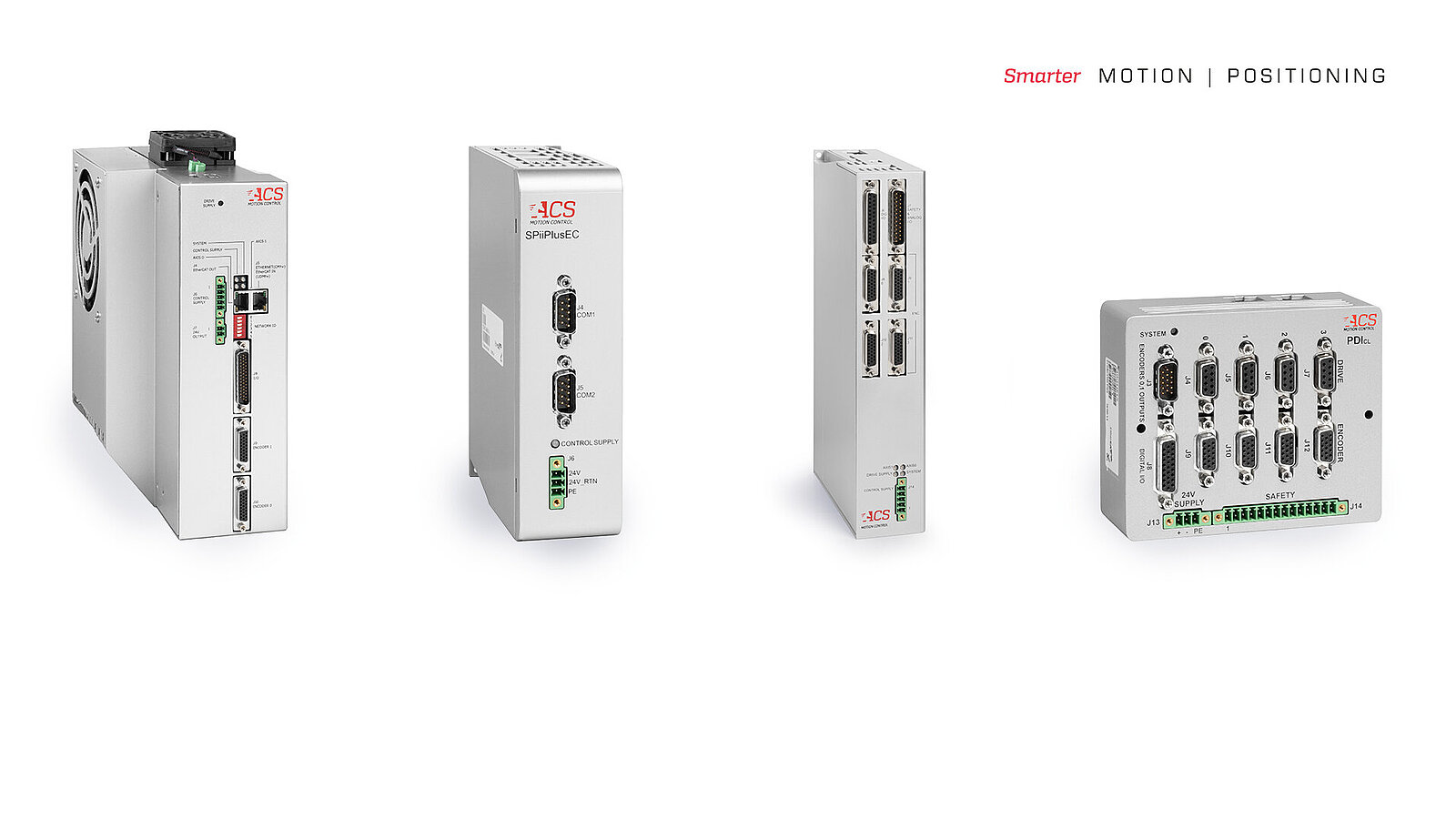
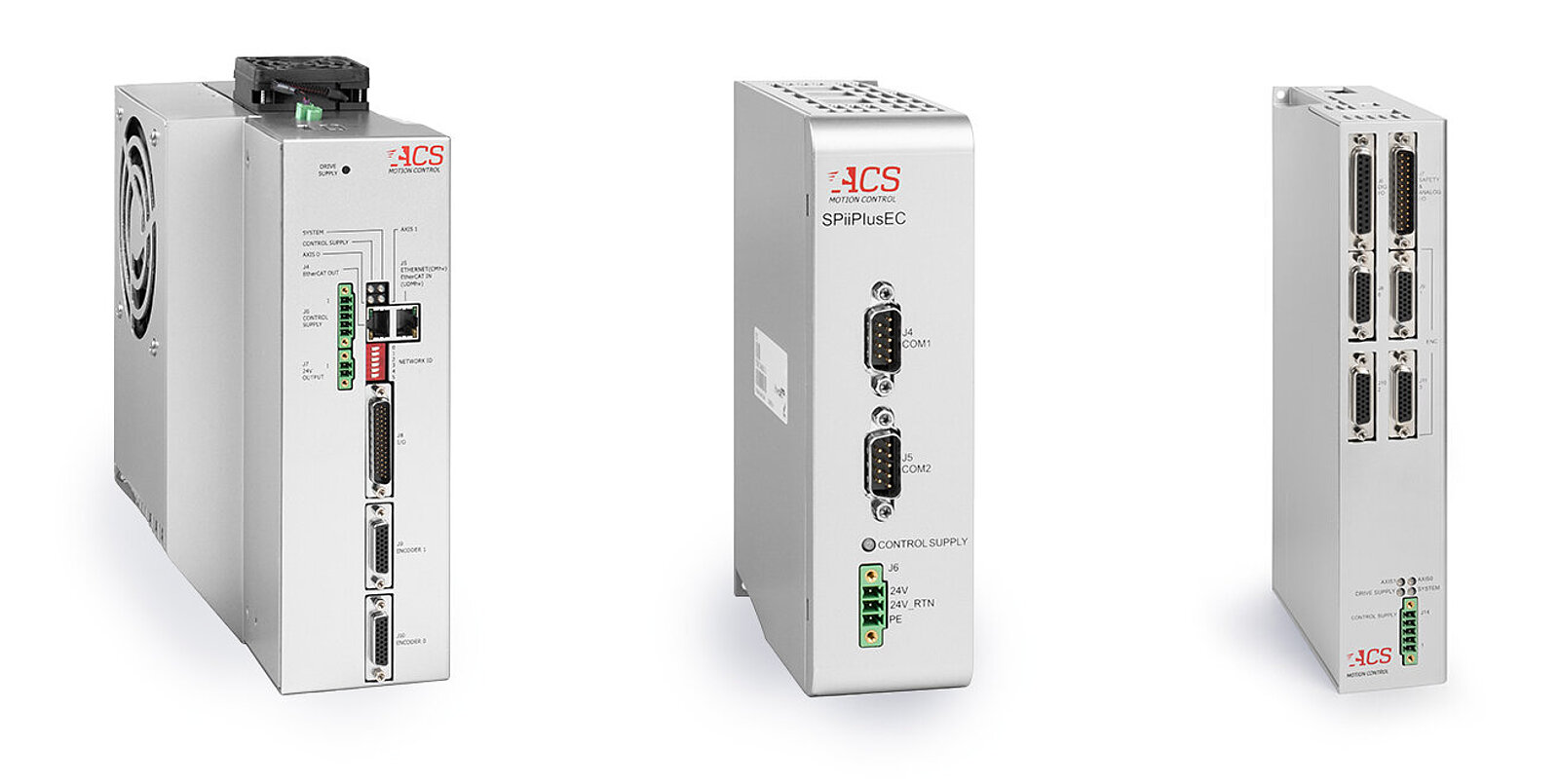
  • PI Southeast Asia Is Your Key Partner for ACS Motion Control

  • Positioning in High Vacuum (HV) and Ultrahigh Vacuum (UHV)

    How Positioning Systems Meet the Requirements of Vacuum Applications through Special Designs, Materials and Manufacturing Processes

Positioning Solutions for Total Internal Reflection


TYPO Overview: Pages, Storage, Filelist, Blog, page view, list view
Adding new pages
Typical page content
Grid elements
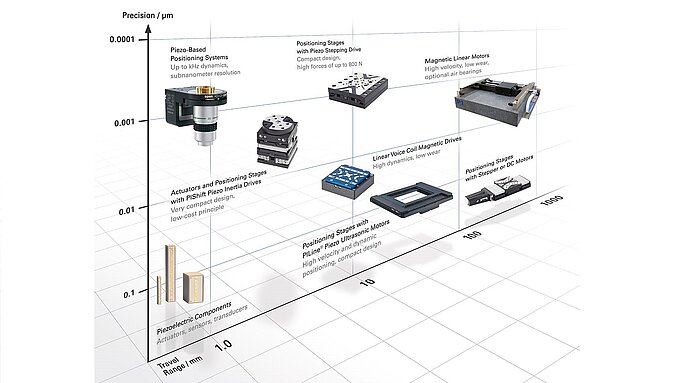
Piezo Technology

Piezo Technology

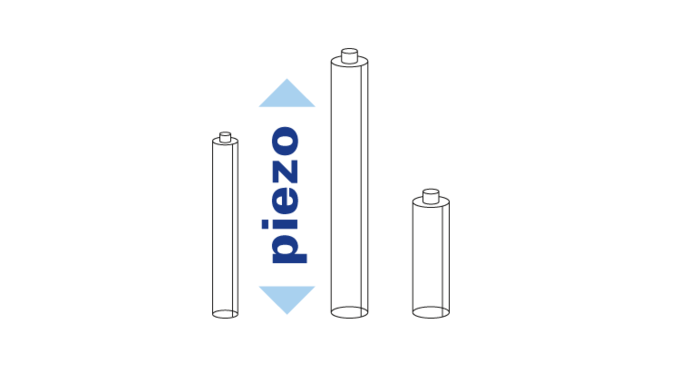
PI Ceramic offers a wealth of experience in the manufacturing of piezoceramic materials, components, and actuators. The piezoceramic materials can be adapted individually to perfectly fit the later use of the piezo components.

Piezoelectric Drives

Piezoelectric Drives

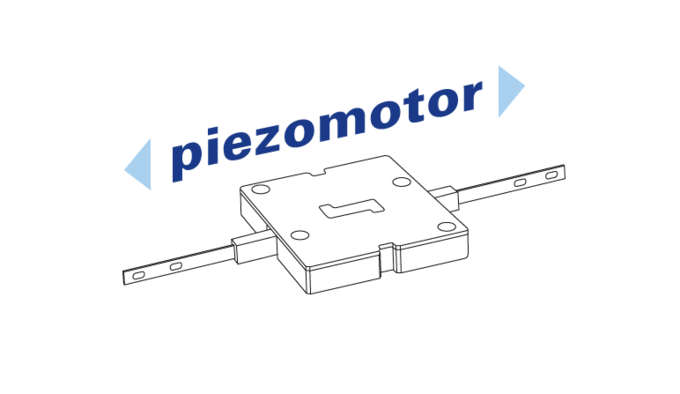
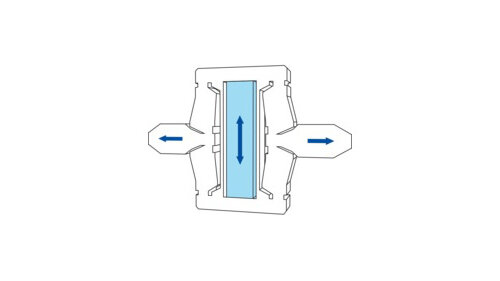
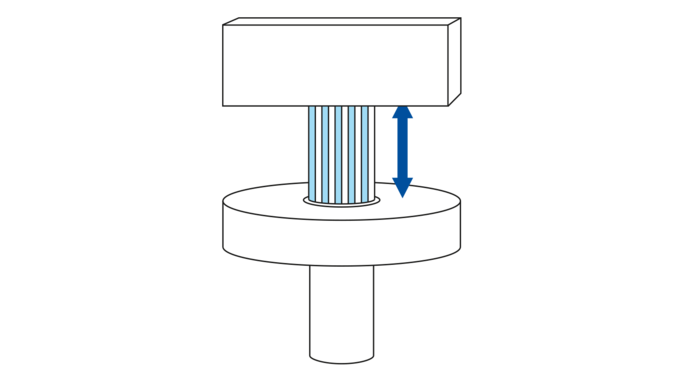
Depending on the configuration and control, piezoceramic actuators can be used to create translational motions or as motors with a virtually unlimited travel range. The choice of drive depends on the requirements of the application.

Guiding Systems & Force Transmission

Guiding Systems & Force Transmission

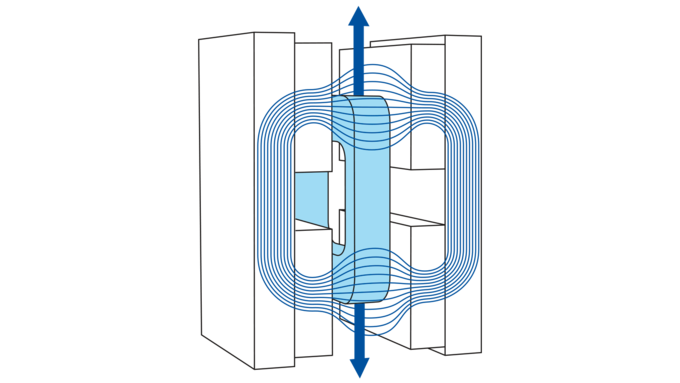
Flexure joints, mechanical guide components or magnetic bearings? Which kind of guiding system PI uses in its products depends on parameters such as travel range, required precision, load, lifetime, and ambient conditions.

Controllers & Software

Controllers & Software

Fast settling or extremely smooth low speed motion, high positional stability, high resolution and high dynamics – the requirements placed on piezo systems vary greatly and need drivers and controllers with a high degree of flexibility.

Sensor Technologies

Sensor Technologies

The linearity and repeatability achieved are not possible without highest-resolution measuring devices. Accuracies in the range of a few nanometers and below require a position measurement method that can also detect motion in this range.

Electromagnetic Drives

Electromagnetic Drives

Rotating electric motors such as DC or stepper motors are used in connection with screw or worm drives. Stepper motor systems with high-resolution encoders can perform minimum incremental motions of 10 nm with high reliability and repeatability.

Parallel Kinematics

Parallel Kinematics

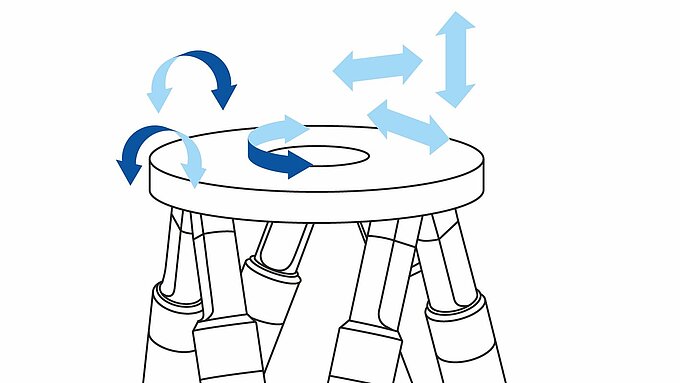
In a parallel-kinematic, multi-axis system, all actuators act directly on a single moving platform. This means that all axes can be designed with identical dynamic properties, thus reducing the moved mass considerably.

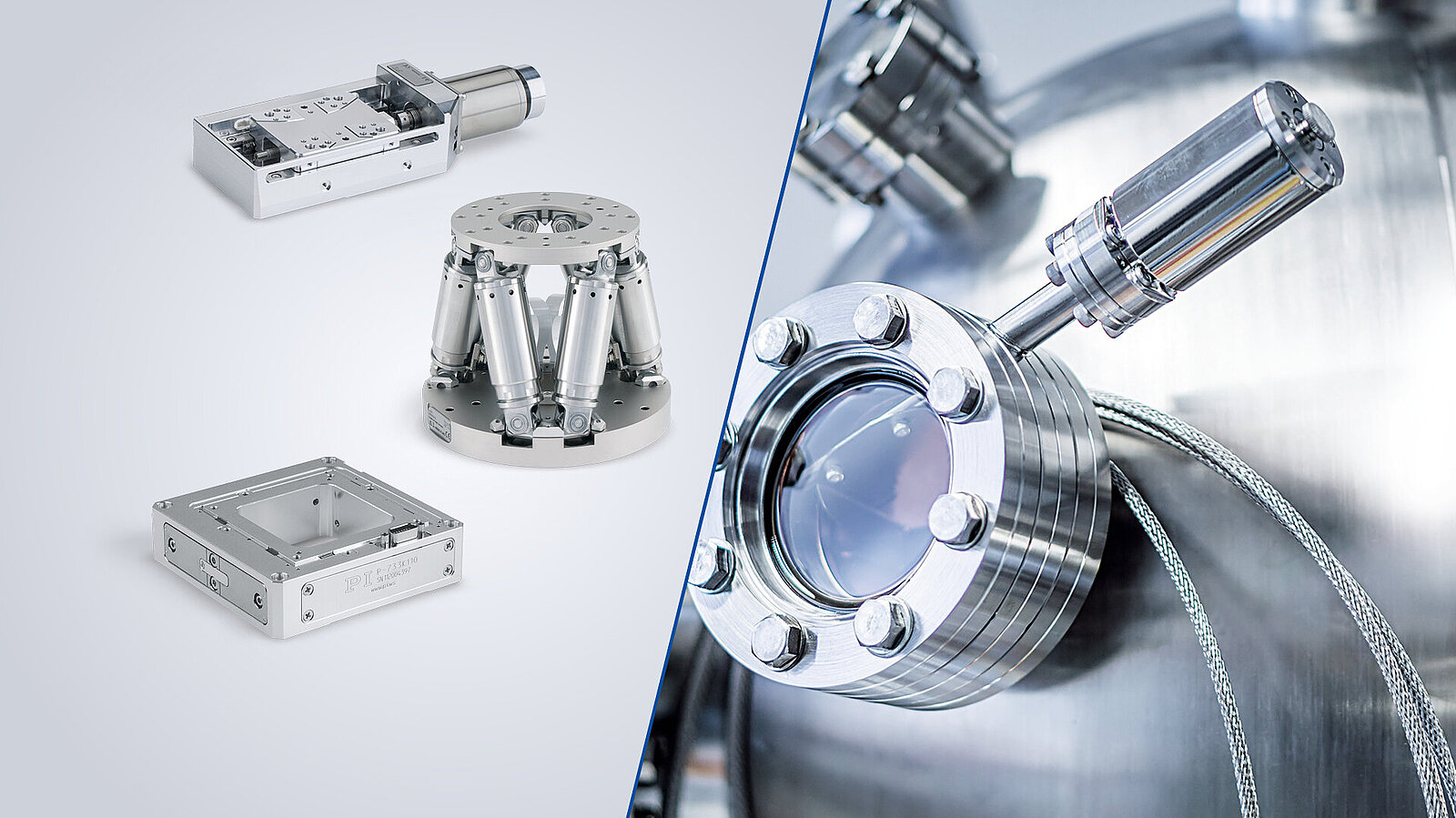
Positioning in High Vacuum (HV) and Ultrahigh Vacuum (UHV)

Vacuum

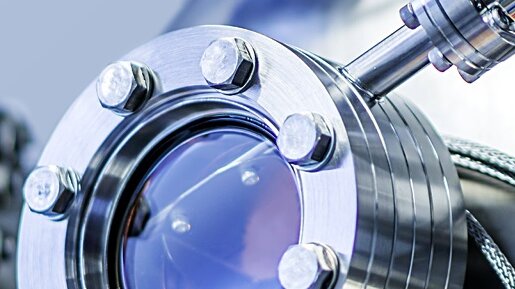
Careful handling, adequate premises: PI does not only have the necessary equipment for the qualification of materials, components and final products, but also has many years of experience with regard to HV und UHV positioning systems.

Downloads

Brochure

How to Optimize the Performance of Motion Platforms with ACS

Unique ACS Motion control Features Enhance Possibilities in Industrial Automation
Version / Date
BRO68E 2018-08
pdf - 2 MB
Version / Date
BRO68CN 2018-12
pdf - 5 MB

In total reflection fluorescence microscopy (TIRFM), the laser beam hits the glass plate of a microscope slide, a microtiter plate or Petri dish at a flat angle in order to stimulate the fluorescence.

Nevertheless, the electromagnetic field of the laser beam does penetrate the sample volume on the other side of the glass plate and forms an evanescent field with a penetration depth between 100 to 200 nm. As a result of the reduction of the stimulated area in the Z direction, a better Z resolution is achieved than the standard wide field - or confocal fluorescence microscopy. Here, the Z resolution is typically 500 nm. That is the reason why TIRFM is more frequently used in fluorescence microscopy as a comparatively simple and inexpensive super resolution method.

In total reflection fluorescence microscopy (TIRFM), the laser beam hits the glass plate of a microscope slide, a microtiter plate or Petri dish at a flat angle in order to stimulate the fluorescence.

Nevertheless, the electromagnetic field of the laser beam does penetrate the sample volume on the other side of the glass plate and forms an evanescent field with a penetration depth between 100 to 200 nm. As a result of the reduction of the stimulated area in the Z direction, a better Z resolution is achieved than the standard wide field - or confocal fluorescence microscopy. Here, the Z resolution is typically 500 nm. That is the reason why TIRFM is more frequently used in fluorescence microscopy as a comparatively simple and inexpensive super resolution method.